Digitizing water and wastewater utility data with PIX4D
MWH Treatment, the leading UK water and wastewater asset management and maintenance provider, first introduced PIX4D at its Oswestry site. Initiated as a targeted project to solve a specific client challenge around improving underground asset capture, the successful trial quickly proved its value
Scaling PIX4Dcatch across sites
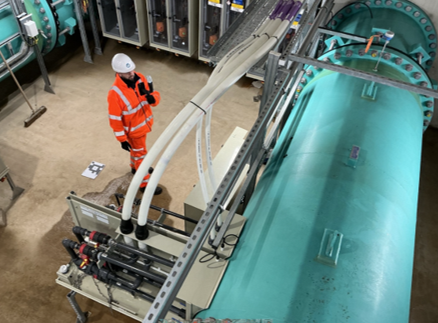
MWH Treatment has invested in 12 devices across the business as an initial investment, which will be scaled in the coming financial year of 2027. The devices have only been deployed for a few months, but we have continually scanned 14 active sites at key stages.
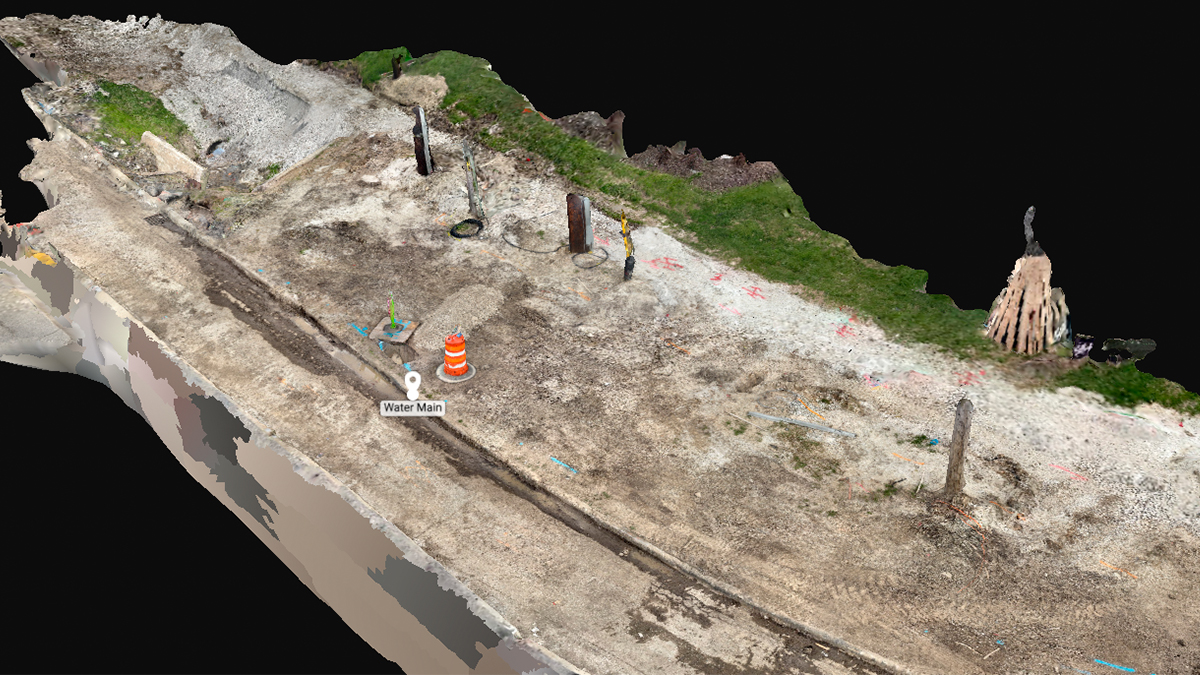
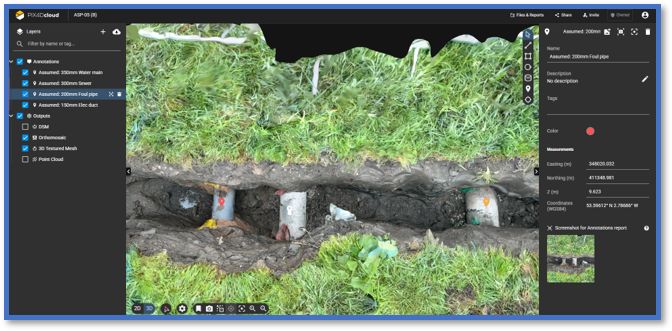
“After conducting trials to integrate PIX4D into our 3D models for Wigan and Skelmersdale, we’ve found the marker tool especially helpful for capturing service information. Through this process, we’ve observed that entering data in a consistent format allows for a smoother workflow and less manual input for our CAD team." - MWH Civil Team
The scale of projects the product is being utilized at varies from medium £90M to mega £150M value. We have 73 users of the product across engineering, construction, and site-based functions.
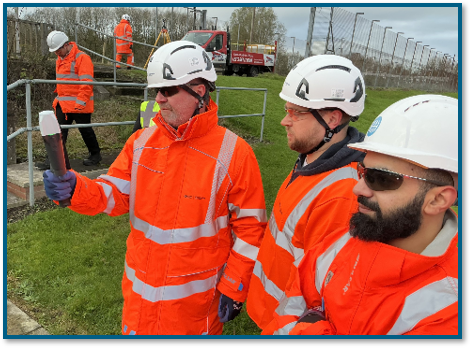
Why did you choose PIX4D?
MWH Treatment adopted PIX4D to address key needs:
- Improved trial hole data: Enhance pre-construction information capture, risk management, and "right-first-time" design for trial hole information
- Utility safety: Reduce service strikes through better data capture
- Digital integration: Incorporate temporary site states directly into models
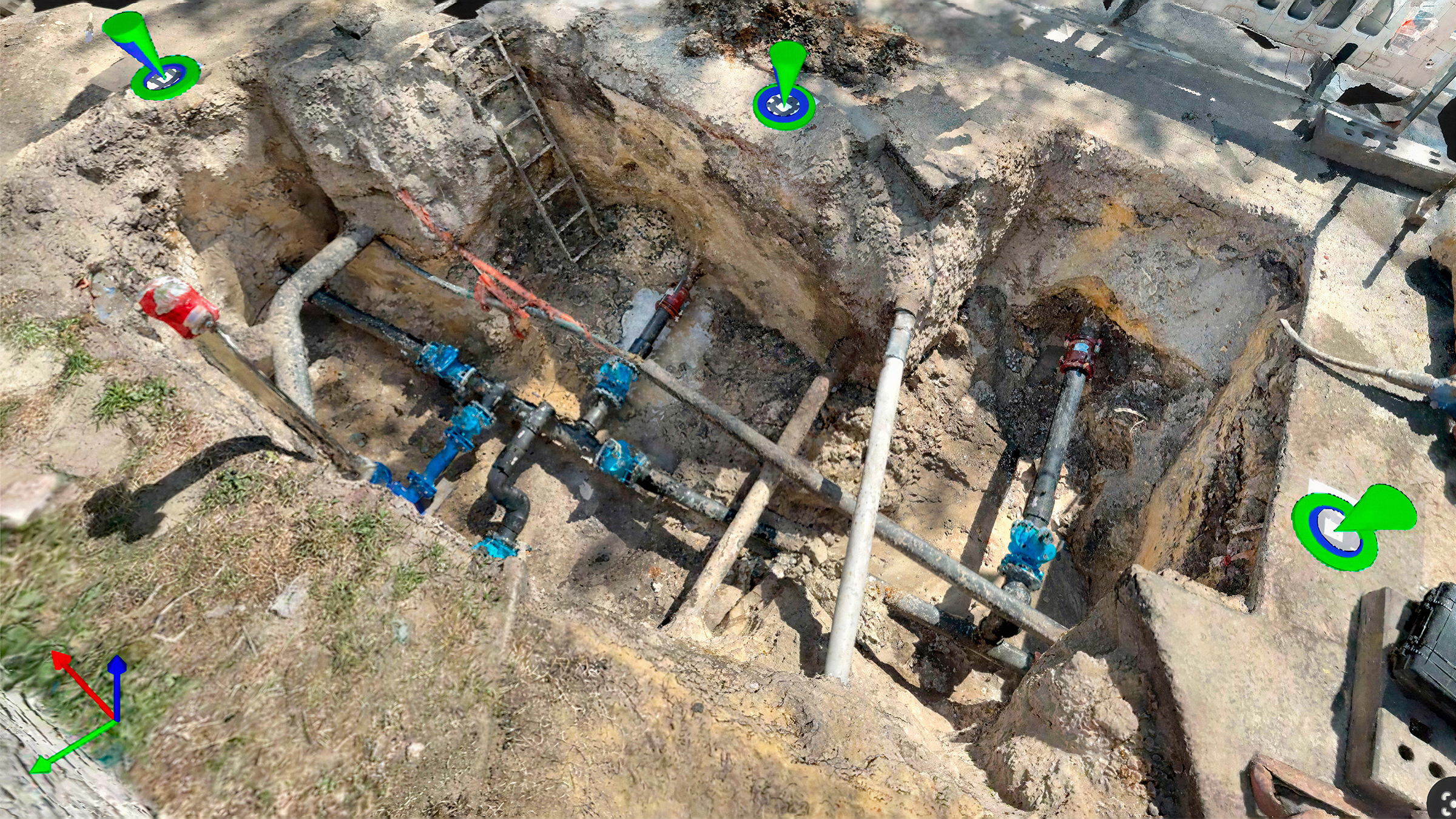
- Comprehensive as-builts: Capture as-laid, as-found, and unidentified underground assets
As a large enterprise, MWH Treatment chose a centralized approach over a regionalized one to ensure consistency across operations.
Cutting recording time and costs by 90% with PIX4Dcatch
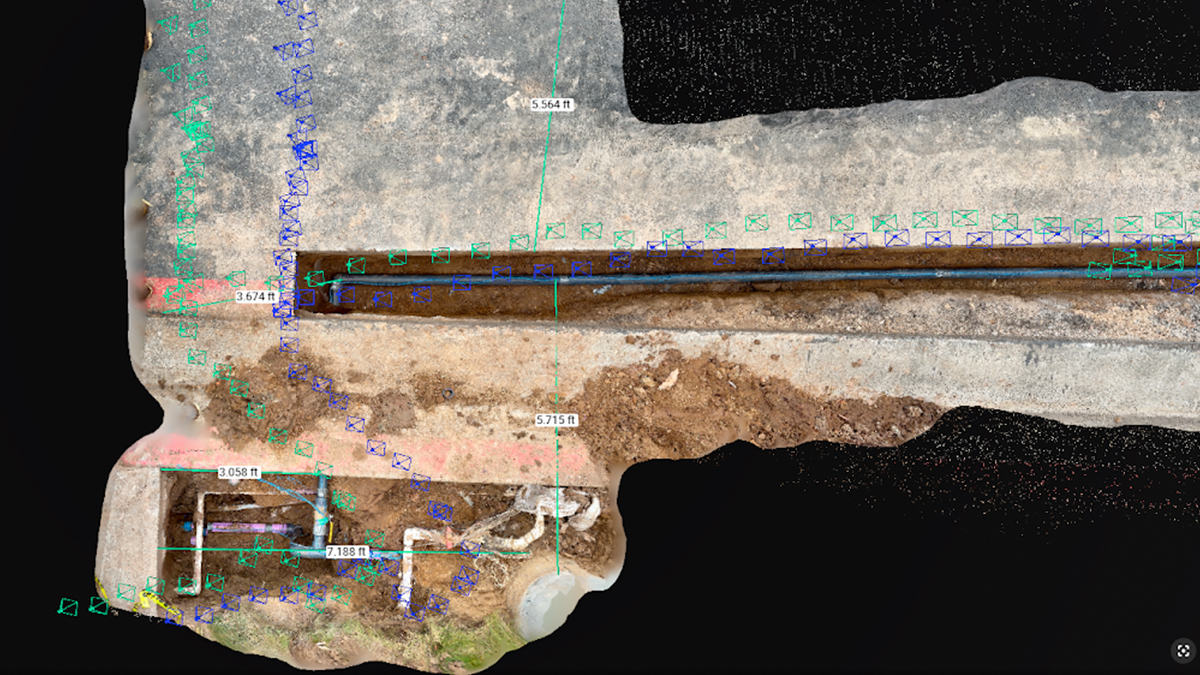
Using an Emlid RTK device with PIXDcatch improves accuracy, efficiency, and record quality by capturing centimetre-level coordinates for installed pipework, underground utilities, and trial holes.
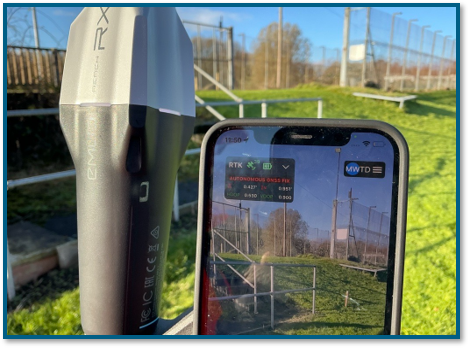
This reduces reliance on manual mark-ups, minimises rework, and supports faster as-built production, potentially cutting recording time and associated costs by around 90%.
The resulting detailed, geolocated documentation also strengthens quality control, simplifies handover, and provides reliable information for future maintenance, inspections and construction planning.
Why is PIX4D being so well adopted in MWH Treatment?
Because of its ease of use, with minimal training for our site operatives. This means we can capture data that could save lives by minimizing service strike risk. It accelerates our data exchange from site capture to integration with our 3D model, to make more informed design and delivery decisions.
“PIX4D has been a game-changer for MWH Treatment, enabling us to significantly reduce the risk of service strikes while providing our frontline teams with a powerful tool for both current operations and future asset management." - Clare Taylor, Head of Digital Delivery, MWH Treatment
The benefits we are seeing from the use of PIX4Dcatch are as follows:
99% improvement in accuracy for asset capture
Current underground capture +/-1m from mark-up. PIX4D +/- 1cm accuracy (trials have demonstrated 10mm accuracy). A 99% improvement in accuracy of our underground record capture for as-built, as-laid, and as-found services, which can only support reducing our service strike figures.
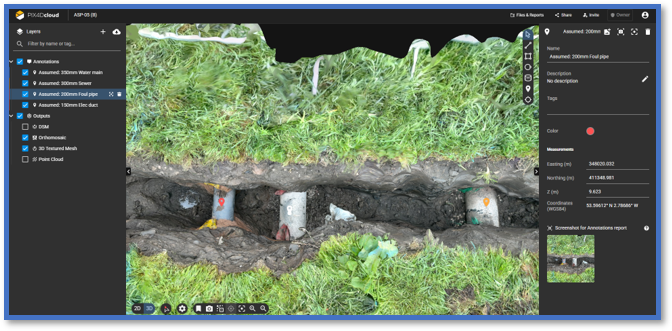
Data availability
Real-time 3D model outputs are available to all allocated stakeholders at all times, supporting the digital initiative. The right information at the fingertips of the right people at the right time.
Eliminating manual measurements results in huge logistical overhead savings
Capturing trial-hole data digitally could deliver millions in regional savings across the UU AMP8 portfolio. Approximately 82% of this saving comes from removing the need for dedicated site measurement and coordination, while 18% comes from more efficient trial-pit logging.
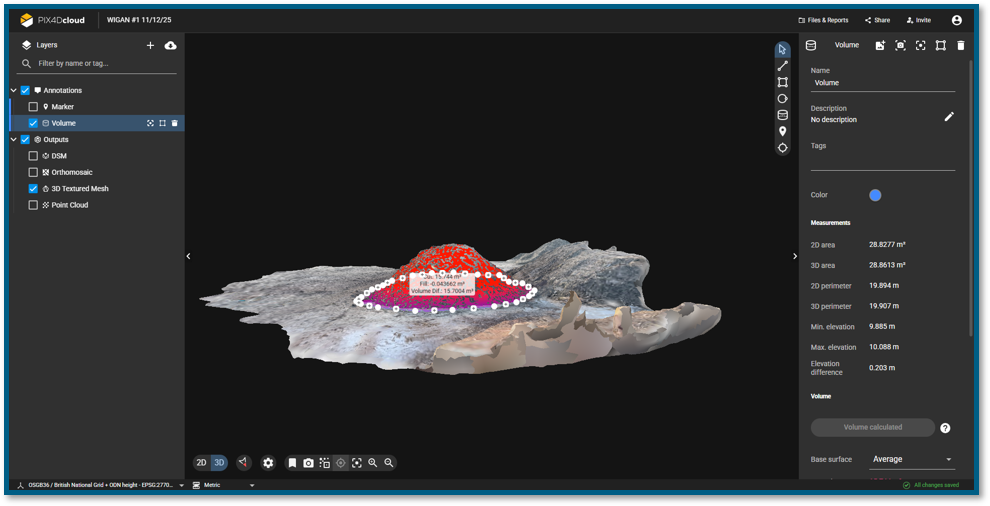
Estimated ¼ million pounds saved with capturing digital as-builts:
Digital as-built capture could eliminate around 85% of the wasted effort related to chasing information, reviewing mark-ups, and submitting queries, with approximately 15% attributable to engineers revisiting the site. Applied across the UU portfolio could save ¼ million.
By replacing manual measurements with smartphone scanning, MWH Treatment has turned asset capture into a fast, repeatable standard across its major water infrastructure projects. Achieving 1-centimetre accuracy in site trials not only drastically reduces the life-threatening risk of service strikes, but also saves significant time and millions in operational overhead.
As MWH Treatment scales PIX4D across more sites ahead of 2027, this centralized digital workflow ensures project teams and asset owners hold reliable and long-term digital survey-grade 3D records.
“By capturing highly accurate as-built records of underground infrastructure, we are helping to safeguard future teams and our clients. The step change from metre-level to millimetre-level accuracy means we are now working with data that is more reliable, more valuable and more actionable. While adoption is still at an early stage, I am excited about the opportunities this technology presents and the transformative impact it could have across our business." - Clare Taylor, Head of Digital Delivery, MWH Treatment