Drone bridge inspection with PIX4D
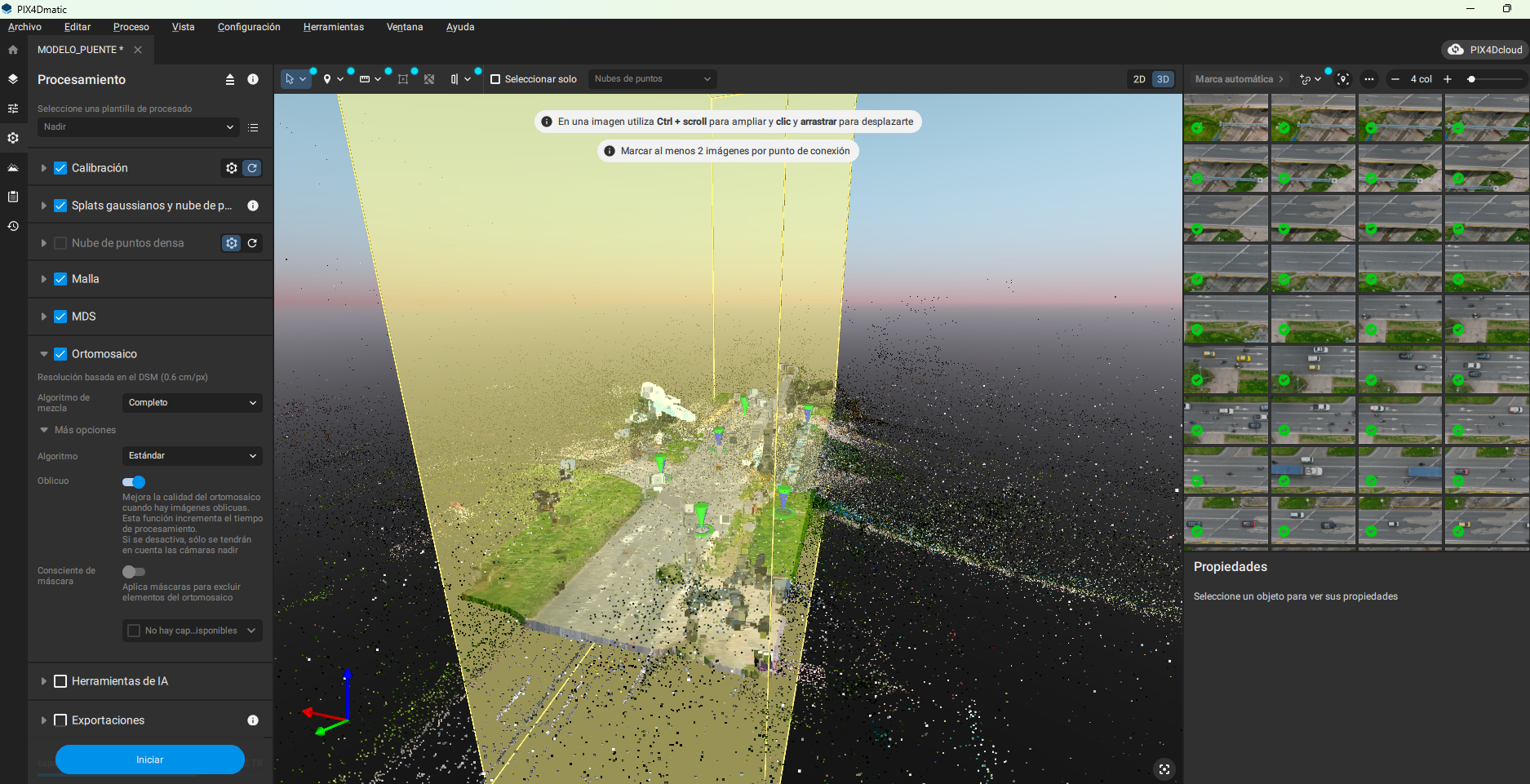
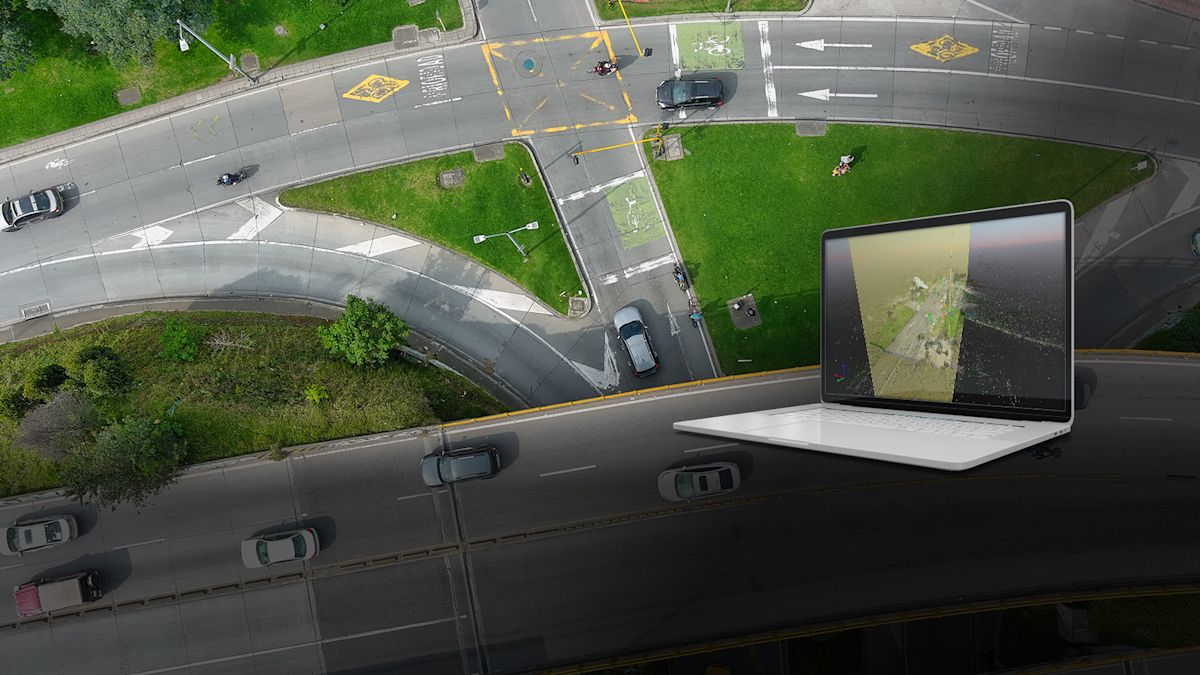
Linear Projects Inspection & Monitoring (LPIM) is based in Bogotá D.C., Colombia, but operates nationwide, inspecting, monitoring, and managing critical infrastructure projects using drone mapping and geospatial analysis. We spoke to them about their most recent bridge inspection project, where they used drone mapping, processing the data with PIX4Dmatic to inspect 16 bridges across Bogotá, while using PIX4Dcloud to collaborate with clients during the project.
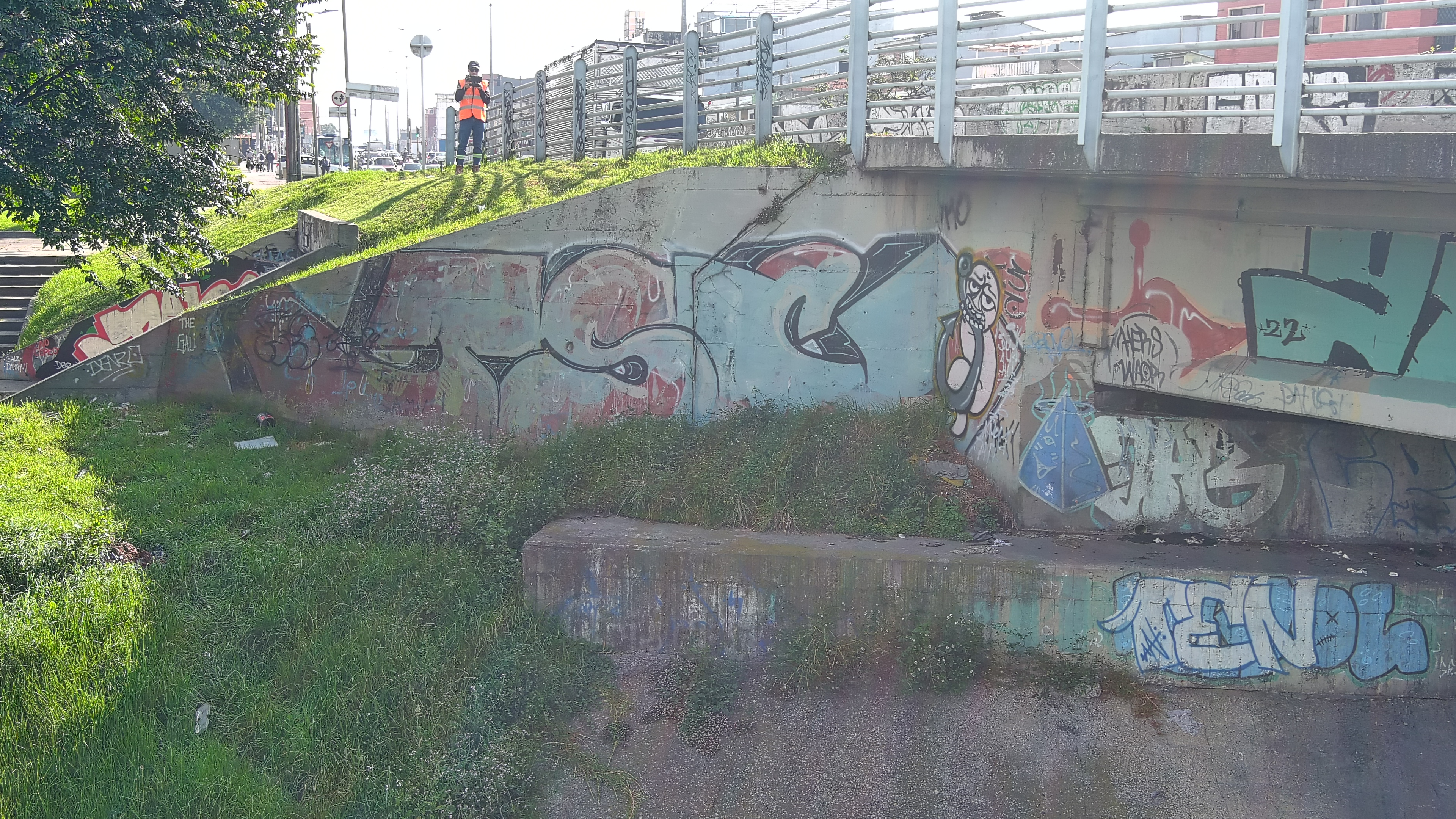
Five key problems in traditional bridge inspections
This project addressed five key problems associated with traditional bridge inspections, especially within a busy urban environment:
- Access limits and safety risks occur when inspecting high or hard-to-reach structural parts, like beams, bearings, and the deck underside. This raises risks for workers and disrupts city travel. The use of drones allowed these areas to be inspected safely and remotely without interfering with traffic.
- Lack of complete visual coverage. Thanks to planned flight paths and the systematic capture of RGB and LiDAR imagery, 100% coverage of all visible elements was guaranteed, reducing the possibility of overlooking early-stage damage or critical zones of the structure.
- Slow inspection turnaround times. PIX4Dmatic processed the data rapidly, making it possible to generate models, orthomosaics, and georeferenced visual material in a very short time, allowing for the quick delivery of preliminary reports.
- Poor traceability and spatial precision. Standard photos rarely provide the exact location of structural defects. PIX4Dmatic solves this by linking every finding to its precise spot on the 3D model, making it easy to catalog damage, monitor changes, and compare data over time.
- Lack of an objective, structured, and reusable digital record. Drone mapping with the PIX4D workflow resolved this by providing an accurate digital reconstruction. This permanent record eliminates subjective paperwork, providing an exact, repeatable reference to track deterioration and manage maintenance long-term.
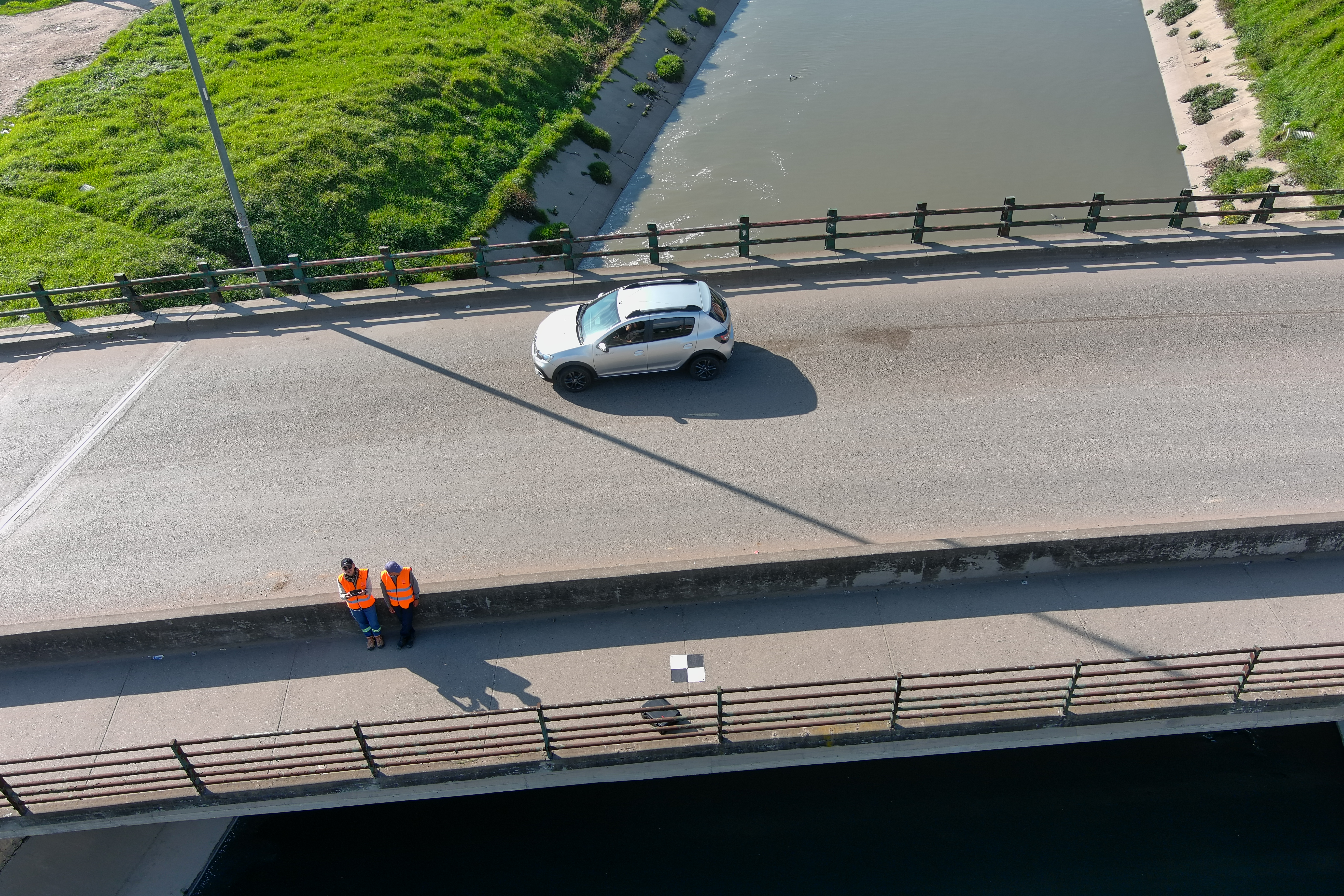
Project hurdles
The inspection had to navigate the strict operational, environmental, and security challenges typical of urban infrastructure in a city like Bogotá. One of the primary hurdles was the city’s unpredictable weather. Heavy rain caused water levels in rivers and canals beneath the bridges to rise. This directly impacted the ability to perform underside captures on the same day as nadir flights, forcing the team to reschedule operations and split data capture into different stages to ensure both safety and data quality. This required flexible flight planning, high-level pilot expertise, and rapid decision-making in the field.
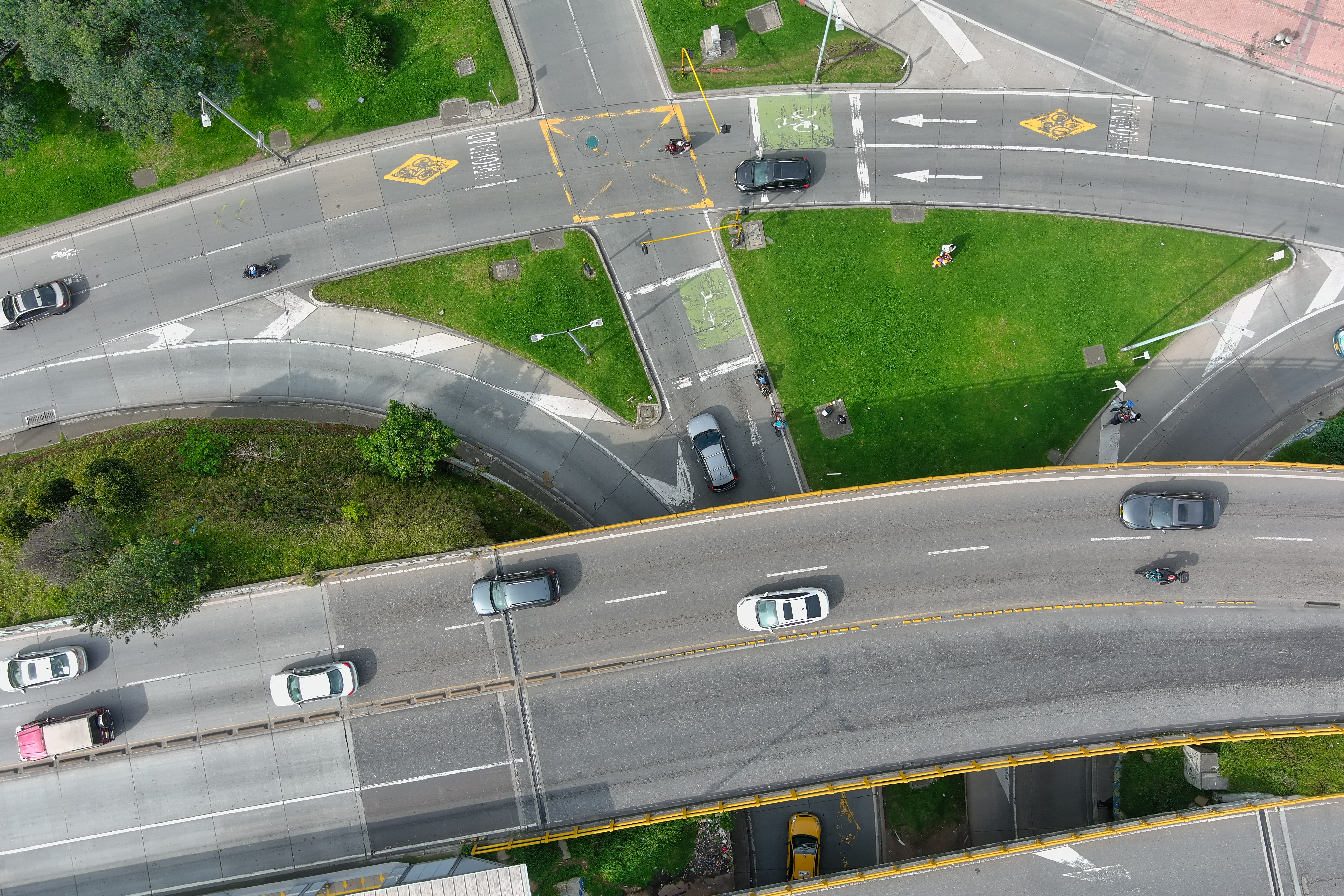
By quickly processing available data, the team ensured that structural engineers had access to precise data for analysis, available via a shareable link with PIX4Dcloud, even when the capture process had to be carried out in stages.
“PIX4Dcloud was key to strengthening collaboration with our clients during the project. The ability to share results in the cloud allowed us to present findings clearly, visually, and with georeferencing, even from very early stages. This facilitated more productive technical discussions, reduced feedback times, and quickly aligned all involved parties. Furthermore, the PIX4D support team was always available and willing to provide close, personalized assistance, which is essential when working on real-world infrastructure projects with high levels of technical demand." - Yoly Andrea Cubides, Project Manager, Lpim
Project details
| Location | Bogotá, Colombia |
| User | Lpim |
| Project duration | 45 calendar days, 16 bridges (capture to final delivery) |
| Project area | 0.402 km² |
| Total number of images | 2,664 |
| Images per flight/dataset | 167 |
| Software used | PIX4Dmatic, PIX4Dcloud |
| Hardware used | Autel EVO II Pro RTK V2 drone + RTK |
| CPU | 13th Gen Intel(R) Core(TM) i9-13900K |
| RAM | 64GB |
| GPU | NVIDIA GeForce RTX 4070 Ti & Intel(R) UHD Graphics 770 |
| Operating System | Windows 11, 64-bit |
| GSD. | < 2 cm / px |
75% faster bridge inspections with PIX4D and drones
This methodology cut field inspection times by 75%, minimized working-at-height risks, and expanded visual coverage of critical elements. It also introduced georeferenced digital evidence, significantly improving objectivity and traceability over traditional methods. The project demonstrated how these solutions do not aim to replace industry experts such as surveyors or engineers, but rather to empower their work by providing them with more complete, precise, and timely information.
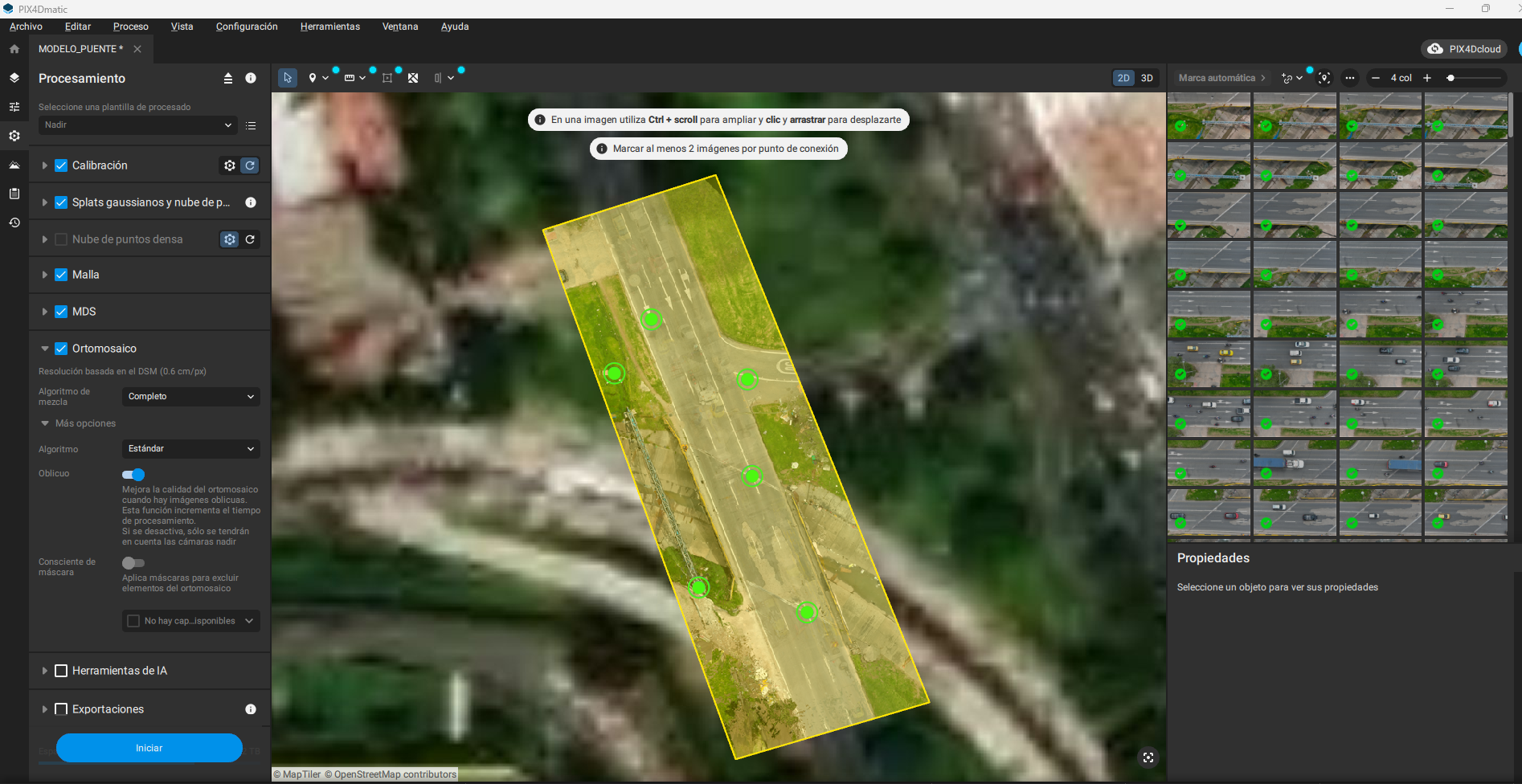
By quickly processing data from staggered drone flights, PIX4Dmatic converted scattered photos into a precise, georeferenced 3D master record. This allowed the engineers to run faster, more accurate remote diagnoses. Traditional paperwork was replaced with a reusable digital database, delivering the precise historical tracking needed for long-term bridge monitoring and maintenance.
Why choose PIX4D for critical infrastructure inspection?
Other photogrammetry and geospatial solutions were considered, but ultimately PIX4D was chosen because it was best suited for the operational demands of critical infrastructure inspections. It offers a wide variety of processing options and achieves high-quality results using different types of input material.
“PIX4Dmatic was essential for processing the bridge imagery quickly and accurately. It allowed us to reliably organize, analyze, and validate huge amounts of data on tight timelines. From there, PIX4Dcloud made it incredibly easy to share results with stakeholders like structural engineers. It gave us a visual, accessible way to collaborate online, streamline communication, and make fast, data-driven decisions." - Juan Sebastián Moreno, Geomatics Manager, Lpim
PIX4D was user-friendly, allowing the team to shorten the learning curve with faster results. Another decisive factor was the ability to share results via PIX4Dcloud, allowing for remote and collaborative review.