Digitizing network infrastructure with PIX4D
Multinet Communication AG is a Switzerland-wide infrastructure and service partner for telecommunications networks. Multinet has strong expertise in FTTx and fiber-optic infrastructure. We spoke with Yves Däppen, Member of the Executive Board, about the impact of digitizing their construction workflow with PIX4Dcatch and an RTK device.
The challenge: traditional telecom surveying
Building telecom infrastructure requires everything from excavation and pipe laying to documenting the finished work for the network operator's GIS map. Previously, the teams had to capture all critical underground measurements manually using basic two-point methods.
The solution: digitizing critical infrastructure with PIX4Dcatch
When looking for a new solution, it was crucial that it was easy and efficient so that the construction teams could handle the measurements themselves on-site, ideally immediately after a new structure was completed.
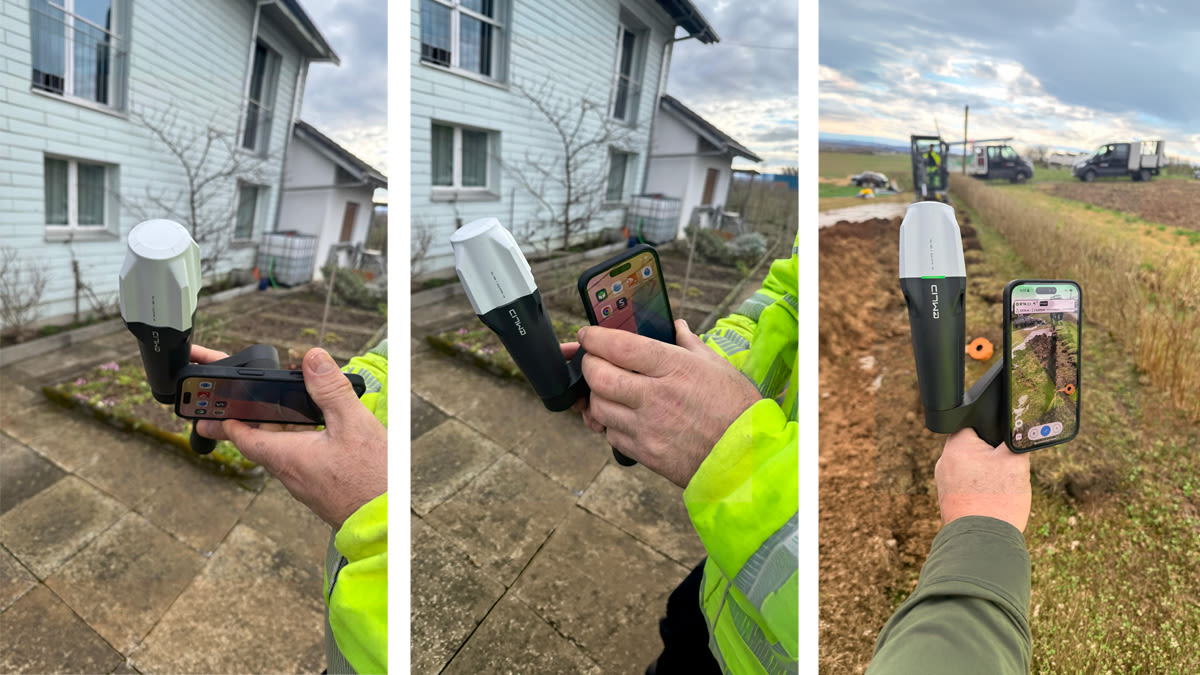
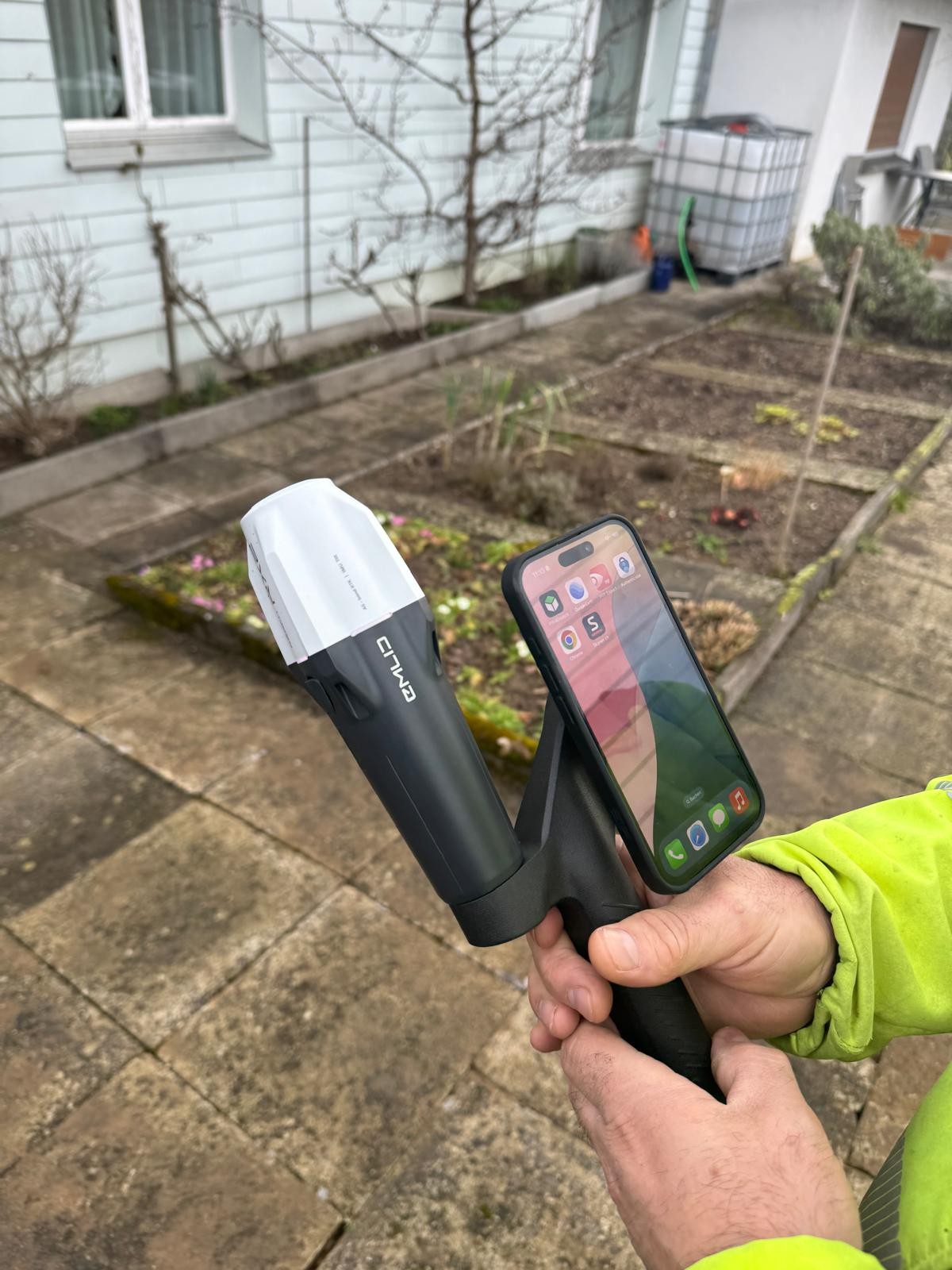
Multinet had to keep in mind that the field crews aren't trained surveyors and some aren't very tech-savvy, so the digital tools needed to be intuitive, robust, and deployable with minimal training. To ensure high-precision results without complex setups, an RTK device is paired with the mobile app to achieve survey-grade accuracy directly in the field.
At the same time, the data had to be accurate and traceable enough to give us high-quality documentation, completely cutting out the need for later investigations or follow-up inspections.
The result: the value of mobile scanning with PIX4D
By using PIX4D, Multinet have significantly reduced the challenges of their previous manual measurement method. The traditional method was highly dependent on finding suitable reference points and also professional surveying teams.
Throughout Switzerland, temporary construction sites and open trenches often appear on short notice and need immediate action, and it's tricky to send out professional surveying teams each time.
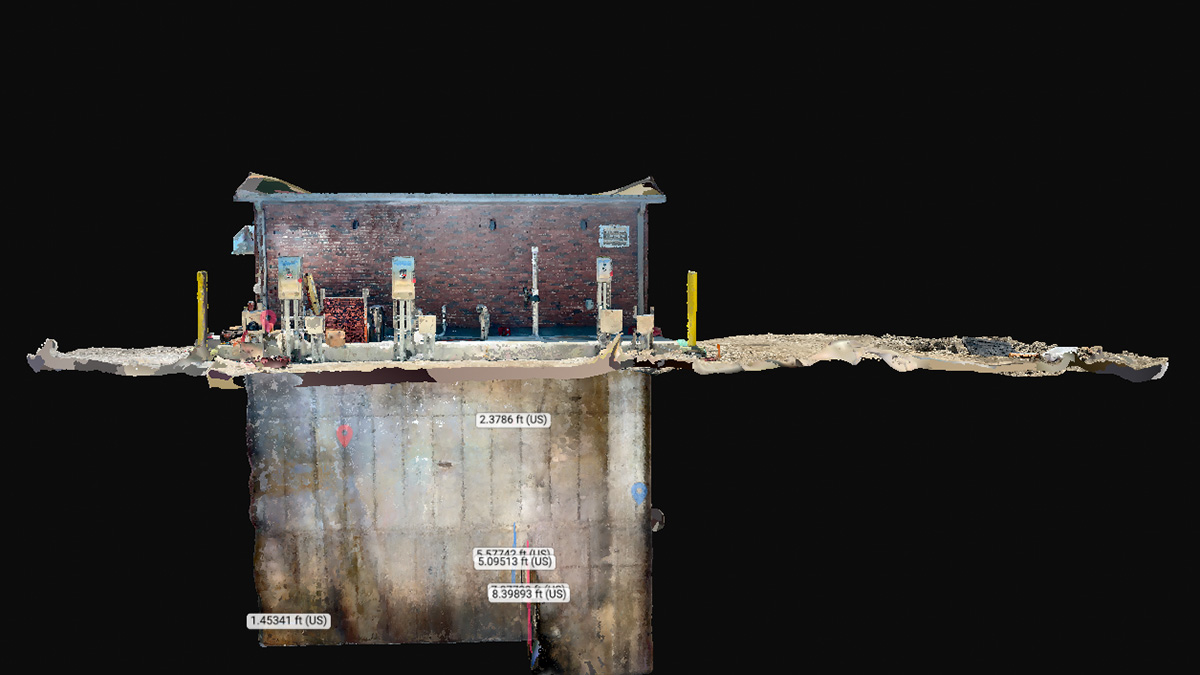
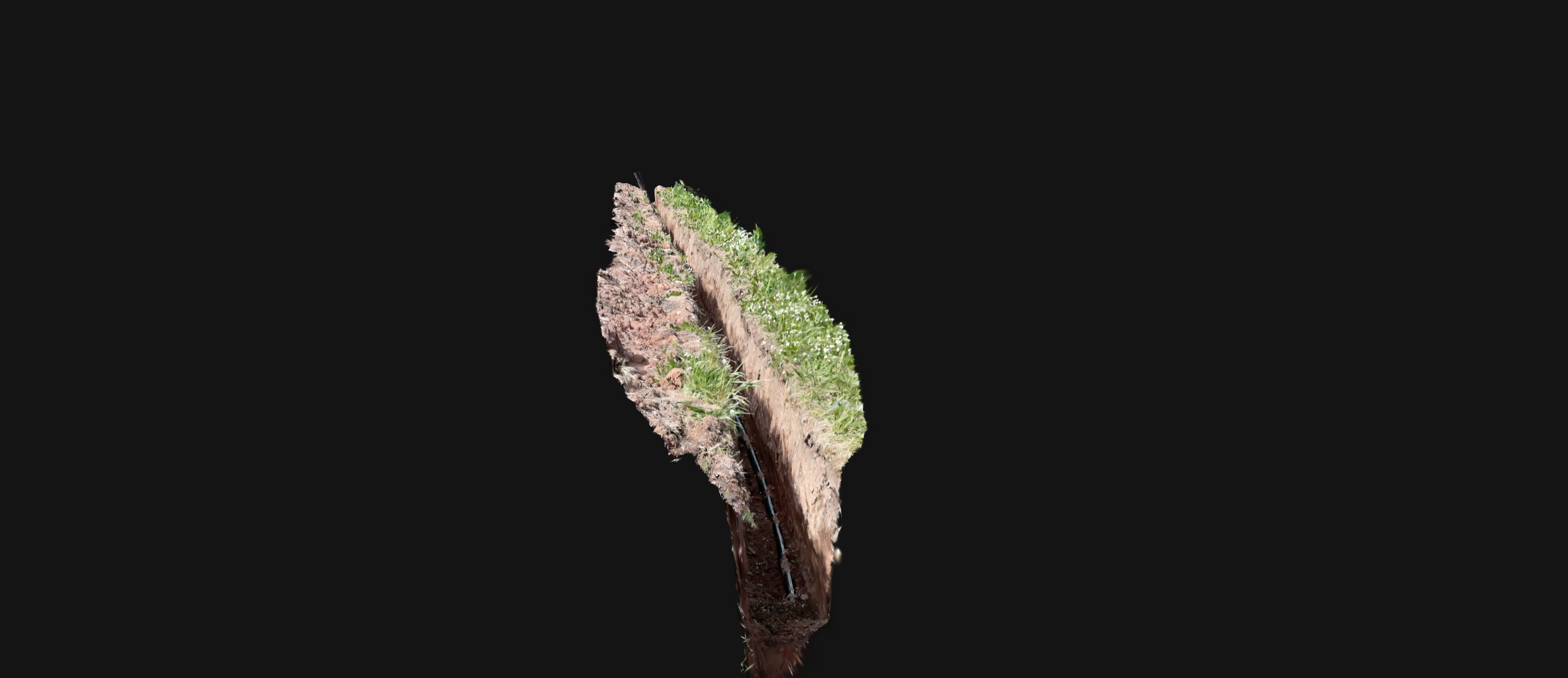
Using the PIX4Dcatch mobile app, the installation team can capture the entire trench, including existing and newly installed infrastructure, right on-site and upload the data straight to PIX4Dcloud to generate a 3D model.
From there, the relevant infrastructure components are extracted as vector data (.dxf, .shp) for seamless transfer into network operators’ GIS systems.
This approach is not only easy to implement, but it also minimizes human error and makes any discrepancies between the original design and the actual build far more transparent and traceable.
What were the advantages in terms of accuracy, time, and cost?
The Proof of Concept demonstrated clear operational advantages over traditional surveying:
- Faster data acquisition: drastically reduces time spent on both field recording and subsequent data processing.
- Seamless system integration: the fully digital workflow removes media discontinuities (data gaps), allowing data to flow smoothly into the operator's GIS.
- Reduced overhead: Fewer manual data transfers mean lower error susceptibility and more efficient data processing.
- Optimized quality control: substantially reduces subsequent investigation, data verification, and costly follow-up site visits.
Were there features of PIX4D that were crucial to the success?
Crucial to the success was, above all, the user-friendliness and the simple data acquisition on-site. The capturing process is designed so that even employees without in-depth surveying knowledge can use the solution after a brief introduction. This was particularly important for their deployment, as the recording needs to be done directly by the network construction teams on the construction site.
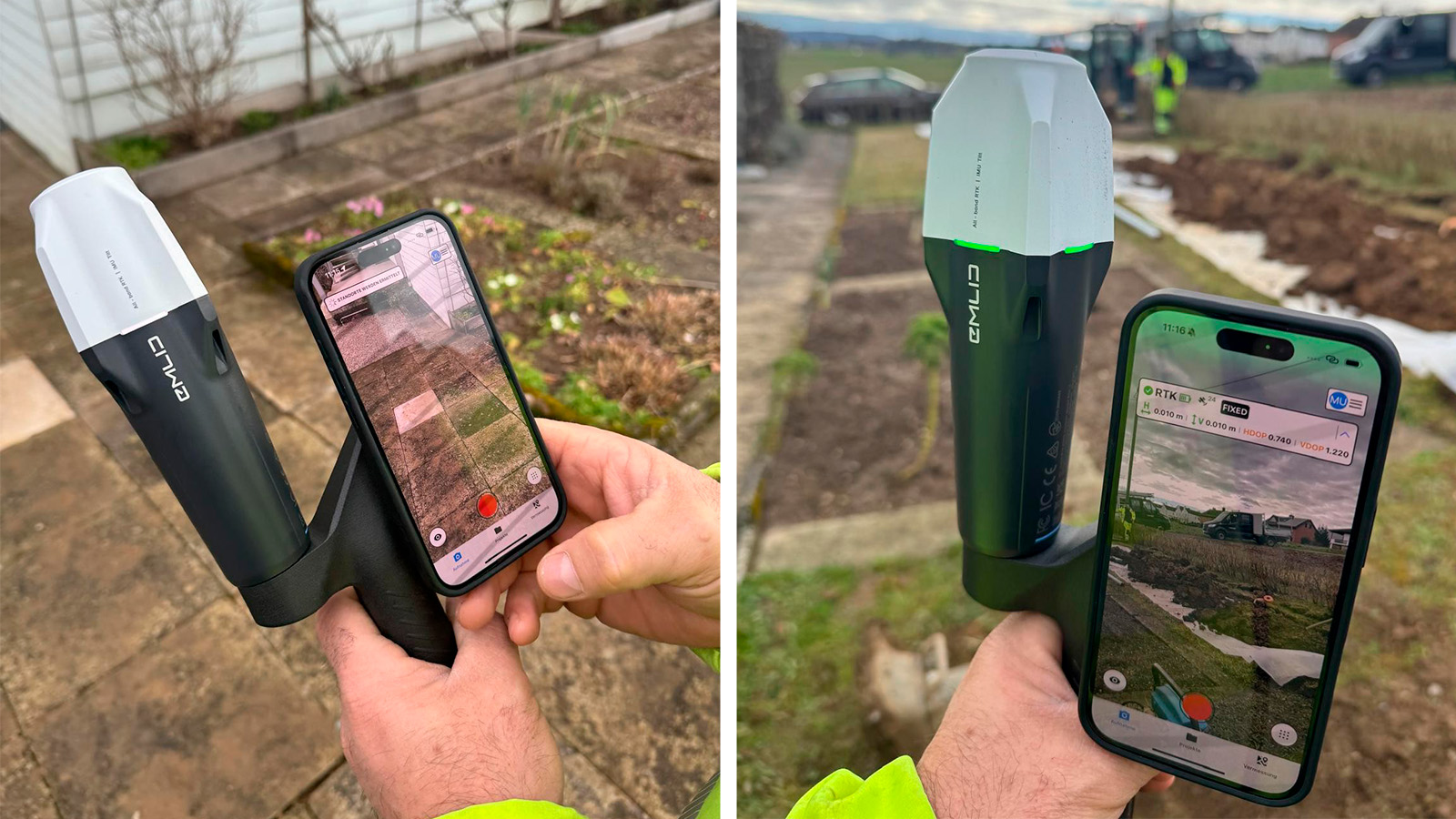
Another important factor was that the solution can be used flexibly for short-notice and localized deployments. This makes it well-suited for the Switzerland-wide network construction context, where new structures, excavations, or bottleneck bypasses often need to be documented at short notice.
“With PIX4D, we now also have a solution in the field of as-built surveying that fits our company's innovative and digitalized DNA. We were particularly impressed by the simple application on-site, the digital processing without any data gaps, and the opportunity to systematically improve a previous weakness in the process, thereby further increasing the overall quality of our services for our customers." - Yves Däppen Member of the Executive Board, Head of Business Excellence
By replacing outdated, manual measurement methods with an intuitive mobile scanning workflow, Multinet has achieved clear operational advancates in terms of speed, intergration, and quality. The successful deployment of PIX4D has eliminated data gaps, slashed downstream operational costs, and reinforced Multinet's position as a highly efficient infrastructure partner across Switzerland.
Key Takeaways
The Problem: Traditional manual measurements for fiber-optic trenches were slow, relied heavily on reference points, and often required specialized surveying teams.
The Solution: Field crews use PIX4Dcatch with an RTK device to instantly scan open trenches right after construction with survey-grade accuracy, making it simple for anyone on-site to use.
The Impact: Scanning speeds up data collection, seamlessly exports 3D models into GIS mapping systems (.dxf/.shp), reduces human error, and cuts down on follow-up site inspections.